

Books to peruse…
*I do not receive goods/services/kickbacks for listing these books. These are books other clients or clinicians have found helpful and should not imply my personal beliefs or stand as a recommendation towards their use.
The Big Book
Available to read free at aa.org
The 12 Steps & 12 Traditions
Available to read free at aa.org
How it Works and Why
Available to read free on squarespace
NA Basic Text
Available to read free on squarespace
In the Realm of Hungry Ghosts
This book argues that addiction is best understood as an attempt to cope.  Maté examines how adverse childhood experiences, attachment disruptions, and chronic stress can shape the developing brain. He emphasizes that addiction is not limited to drugs or alcohol but can also involve food, work, shopping, sex, gambling, and other compulsive behaviors.

He advocates for compassionate, trauma-informed approaches to treatment and recovery, arguing that healing comes through connection, self-understanding, and addressing the underlying sources of suffering rather than through punishment or shame
Blackout: Remembering the Things I Drank to Forget
A memoir by Sarah Hepola that recounts her long struggle with alcohol use and the blackouts that became a defining feature of her drinking.

As the blackouts become more frequent, she is forced to confront the impact drinking has had on her relationships, identity, and self-worth. The memoir follows her journey from denial and dependence to sobriety and self-discovery.

More than a story about quitting alcohol, the book explores themes of loneliness, intimacy, womanhood, and the challenge of building a meaningful life without relying on substances to manage fear or uncertainty.
Beyond Addiction: How Science and Kindness Help People Change
A practical guide for loved ones of people struggling with substance use.  Drawing on research, the authors teach readers how to communicate more effectively, reduce conflict, encourage positive behavior, and care for their own well-being while supporting a loved one.

The book offers practical tools for improving relationships, increasing motivation for change, and fostering hope for both individuals with substance use problems and the people who care about them.
Drinking: A Love Story
A powerful memoir by Caroline Knapp that chronicles her two-decade struggle with alcohol dependence and her eventual path to sobriety.

Knapp reflects on how alcohol became a central part of her life—helping her cope while simultaneously damaging her relationships, self-esteem, and sense of identity.  She examines the complex role alcohol played in her life and the difficult process of learning to live without it.

More than a memoir about addiction, Drinking: A Love Story is an exploration of vulnerability, self-understanding, and recovery. The book is widely praised for its honesty, psychological depth, and compassionate portrayal of the challenges and rewards of sobriety.
Drop The Rock
A recovery-focused book that explores the emotional and character defects that can keep people from experiencing lasting freedom in sobriety. It is centered on the Twelve Steps, particularly Steps Six and Seven, which focus on becoming willing to let go of shortcomings and asking for help in removing them.The central message is that lasting recovery comes not only from avoiding substances but also from continually surrendering the attitudes and behaviors that interfere with healthy relationships, emotional well-being, and spiritual growth.
Available to read free online
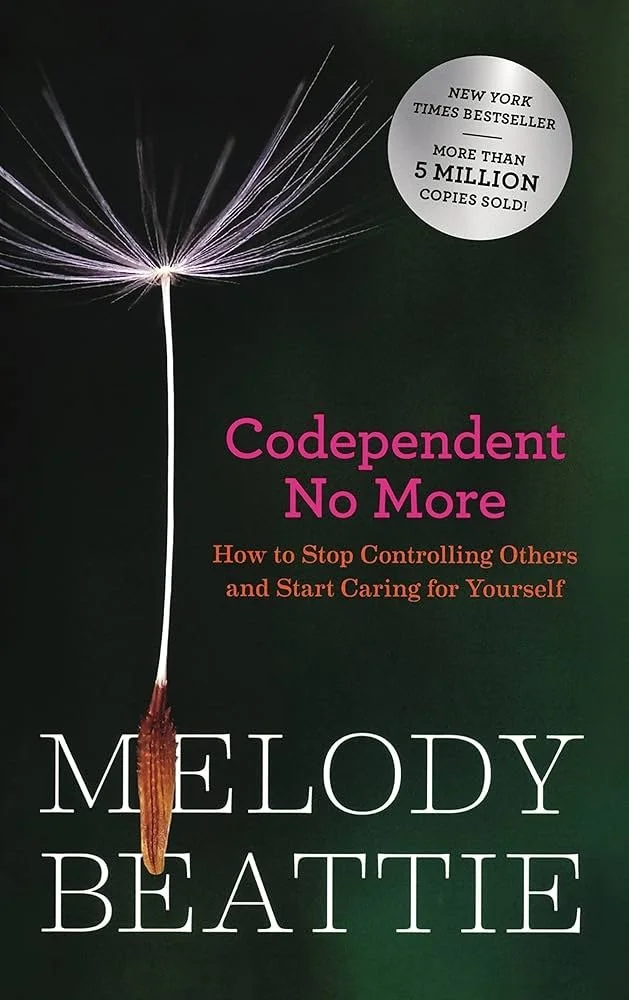
Codependent No More
Beattie explains how codependent patterns can develop in relationships marked by substance use, dysfunction, or chronic caretaking. The book helps readers recognize behaviors such as excessive people-pleasing, controlling, rescuing, and neglecting their own needs.

Through practical guidance and encouragement, Beattie offers a path toward greater self-awareness, emotional freedom, and healthier relationships.
The book teaches that recovery from compulsive eating is about much more than changing eating habits. It is a process of emotional, spiritual, and personal transformation. Through working the Twelve Steps, members learn to identify the underlying fears, resentments, and behaviors that contribute to compulsive eating and develop healthier ways of living.The Twelve Steps & Twelve Traditions of Overeaters Anonymous
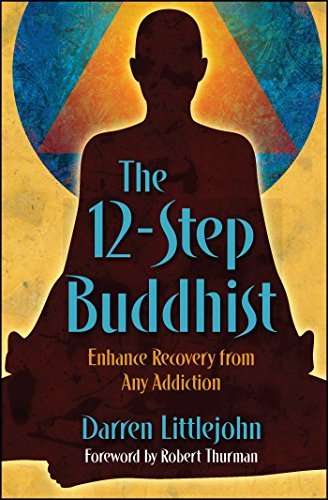
The 12 step Buddhist
The 12-Step Buddhist is designed to be a complimentary practice to the traditional 12-step journey, not a replacement. While traditional twelve-step programs help addicts become sober by removing the drug of choice and providing a spiritual path, they rarely delve deep into what causes people to suffer in the first place. The integration of Buddhism with the traditional process provides the wisdom and meditations that can help addicts truly find a deep, spiritual liberation from all causes and conditions of suffering -- for good. 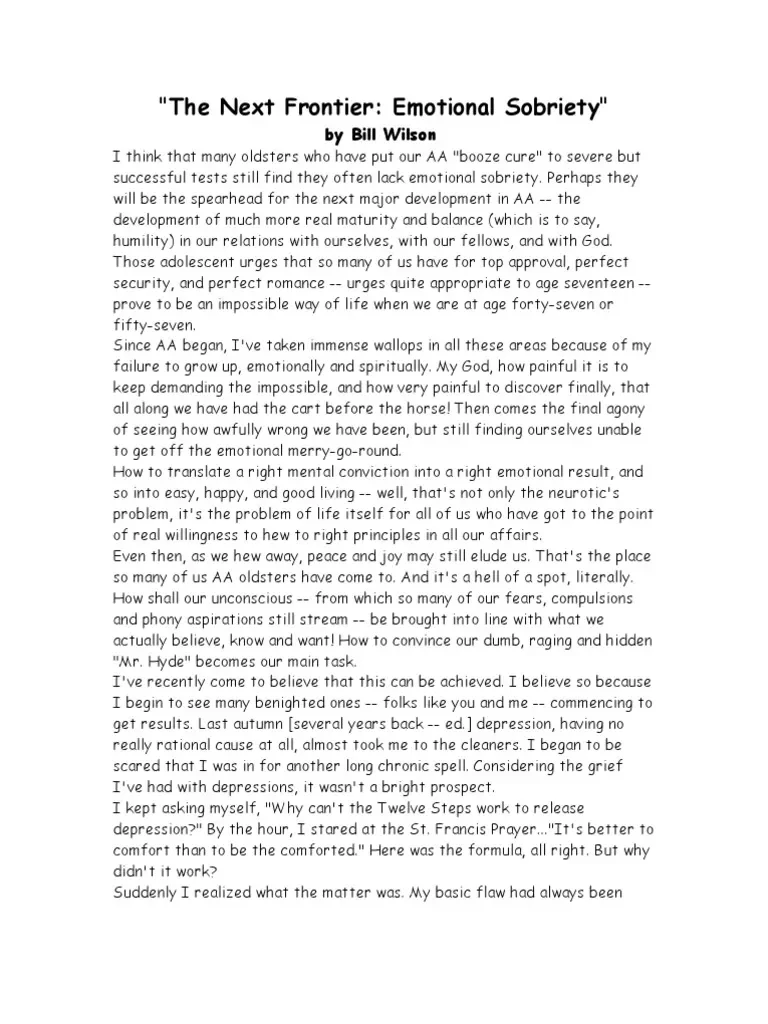
Emotional Sobriety: The Next Frontier is an influential essay by Bill W. that explores a deeper level of recovery beyond physical abstinence from alcohol. Written after many years of sobriety, Bill reflects on his realization that while he had achieved physical sobriety, he still struggled with emotional dependence, insecurity, and the need for approval from others.One of the essay's central insights is that many forms of emotional distress arise from demanding that life or other people meet our expectations. Emotional sobriety comes from replacing those demands with acceptance, trust, and service.
Available to read free online